Quick verdict: Bitdefender GravityZone Business Security is one of the stronger SMB endpoint protection options when you want serious ransomware, phishing, exploit, and web-attack defense without building a full security operations team. It is best for small and midsize businesses that need centralized control over laptops, desktops, file servers, and mixed physical or virtual environments. It is not the lightest choice for teams that only need consumer-style antivirus, but it is a credible step up for companies that have outgrown basic protection.
If your business has reached the point where “we have antivirus installed” no longer feels like a real security strategy, Bitdefender GravityZone Business Security deserves a serious look. Ransomware, credential theft, malicious websites, fileless malware, and lateral movement are no longer problems reserved for large enterprises. A small accounting firm, legal office, agency, clinic, ecommerce team, or distributed SaaS company can become a target simply because its endpoints hold valuable credentials and client data.
This review focuses on Bitdefender GravityZone Business Security and the closely related GravityZone Small Business Security positioning: what it does well, where it may be too much, how it compares with simpler tools, and who should consider it in 2026. CyberTrendLab has recently covered privacy-first business tools like Proton for Business and password-security platforms like 1Password Business. Bitdefender fits the same practical security stack from a different angle: protecting the actual endpoints where employees work every day.
Check Bitdefender GravityZone for business
What is Bitdefender GravityZone Business Security?
Bitdefender GravityZone is Bitdefender’s business security platform for endpoint protection and related security modules. The Business Security and Small Business Security offerings are aimed at organizations that need stronger protection than consumer antivirus but do not necessarily have a large internal security team.
Bitdefender positions GravityZone Business Security for small and medium-sized businesses that need to protect desktops, laptops, file servers, physical machines, and virtual machines from modern attacks. Its official product messaging emphasizes ransomware defense, advanced threat protection, phishing and web-attack prevention, centralized management, and visibility across the organization. The Small Business Security product is framed as enterprise-grade protection that remains manageable for companies without deep cybersecurity staffing.
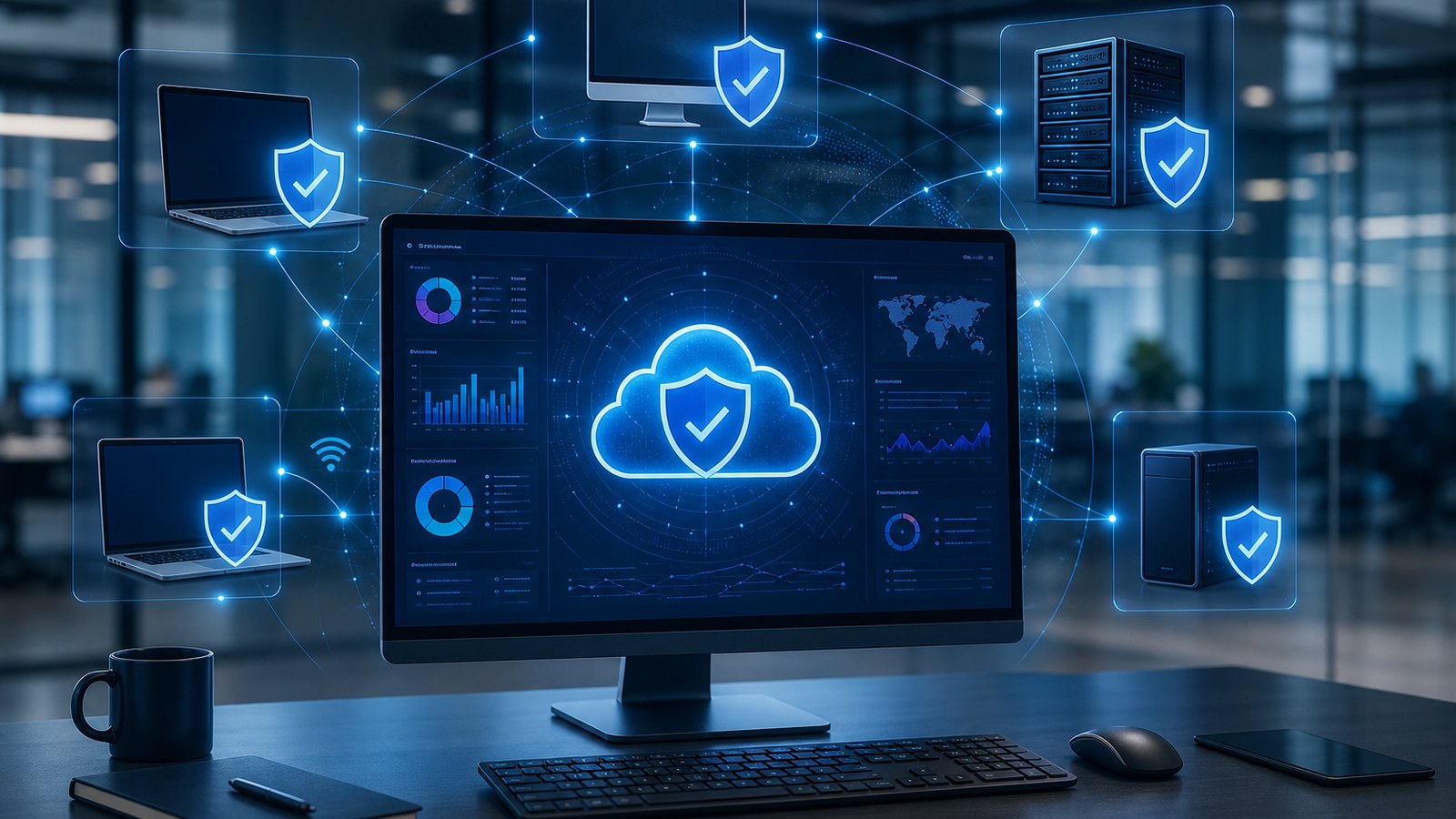
The important distinction is that GravityZone is not just a local antivirus app. It is a managed endpoint-security platform. Administrators can deploy agents, monitor endpoints, apply policies, investigate alerts, and add modules as the business matures. That makes it more operationally useful than installing disconnected antivirus tools across employee machines.
Who Bitdefender GravityZone is best for
Bitdefender GravityZone Business Security is strongest for teams that have multiple business endpoints, client data, remote employees, and growing compliance pressure, but that still need a security product they can actually administer.
- Small businesses with sensitive data: professional services, agencies, healthcare-adjacent teams, finance offices, ecommerce operators, and companies handling customer records.
- Distributed teams: businesses with laptops outside the office, hybrid workers, contractors, or remote staff who need consistent protection policies.
- Lean IT teams: companies that need centralized visibility without hiring a dedicated SOC.
- Businesses worried about ransomware: teams that need prevention, detection, process termination, quarantine, and rollback-style mitigation rather than a basic virus scanner.
- Companies planning to mature their security stack: GravityZone’s modular design makes more sense if you may later add web/device controls, risk management, patch management, email security, mobile security, encryption, or more advanced detection capabilities.
It is less ideal if you are a solo user who only needs simple personal-device antivirus, or if your business already has a mature enterprise EDR/XDR stack with a dedicated detection team. In those cases, GravityZone may either be more than you need or not the exact enterprise tier your security program requires.
Core security features
Layered endpoint protection
Bitdefender describes GravityZone as using layered, next-generation endpoint security, including machine learning, behavioral analysis, and continuous monitoring. In practical terms, that means it is trying to identify threats from multiple angles rather than relying only on static signatures. This matters because many modern attacks do not arrive as obvious “known malware” files. They may use scripts, legitimate system tools, malicious websites, or exploit chains that require behavior-based detection.
For SMB buyers, the most useful takeaway is that GravityZone is built for prevention and response together. It can block, quarantine, terminate suspicious processes, and help roll back malicious changes in ransomware scenarios. That response layer is one reason it feels more business-grade than a basic antivirus subscription.
Ransomware prevention and mitigation
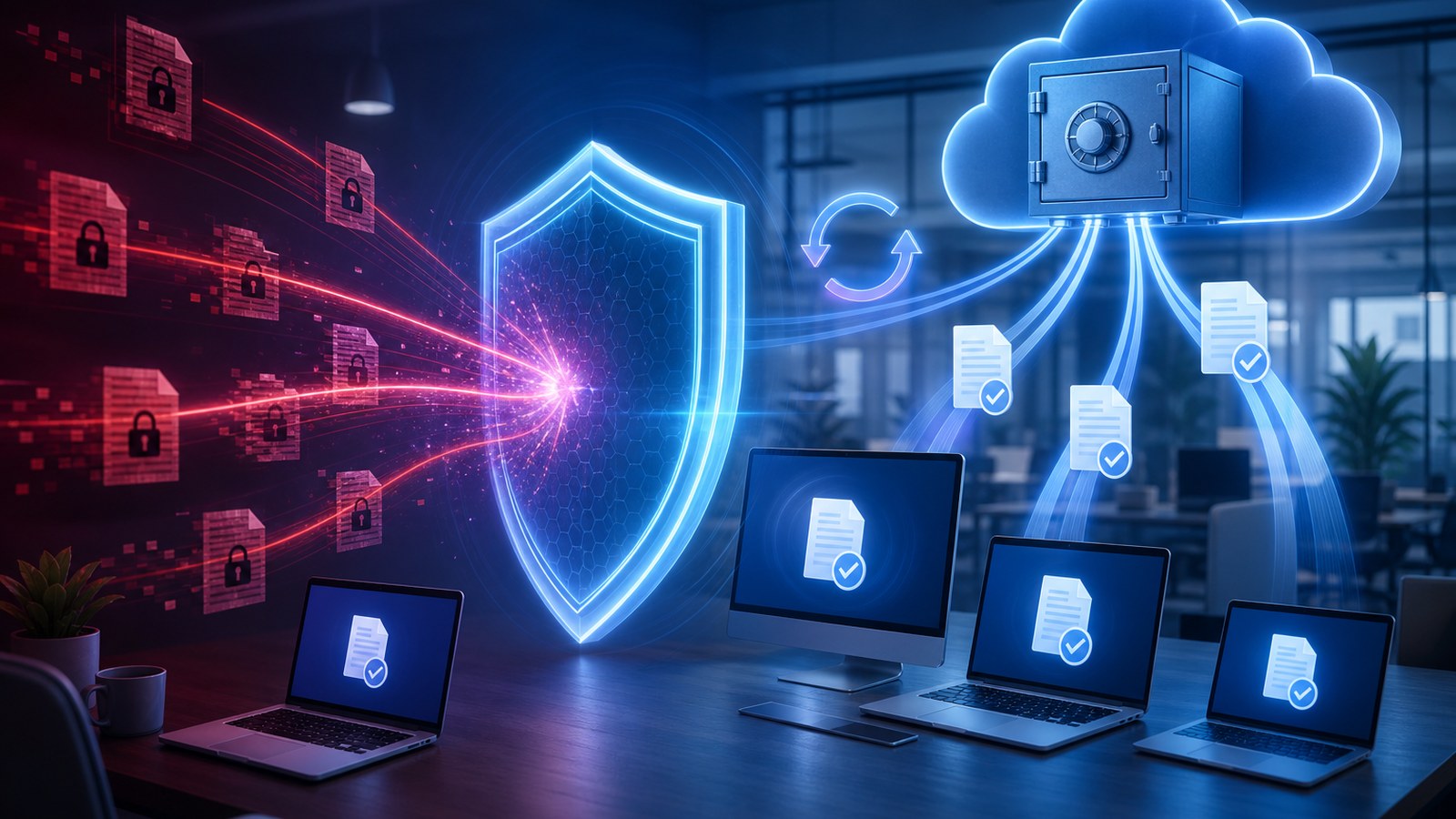
Ransomware remains one of the biggest reasons small businesses upgrade endpoint security. Bitdefender’s product pages highlight protection against known and unknown ransomware, detection of abnormal encryption attempts, blocking malicious processes, and restoring affected files from backup copies to their original state.
No endpoint product should be treated as a complete ransomware plan by itself. You still need strong backups, least-privilege access, MFA, patching, password hygiene, and employee training. But GravityZone’s ransomware mitigation is a meaningful control because it focuses on the behavior that matters most: suspicious mass encryption and destructive activity on endpoints.
Phishing, fraud, and web protection
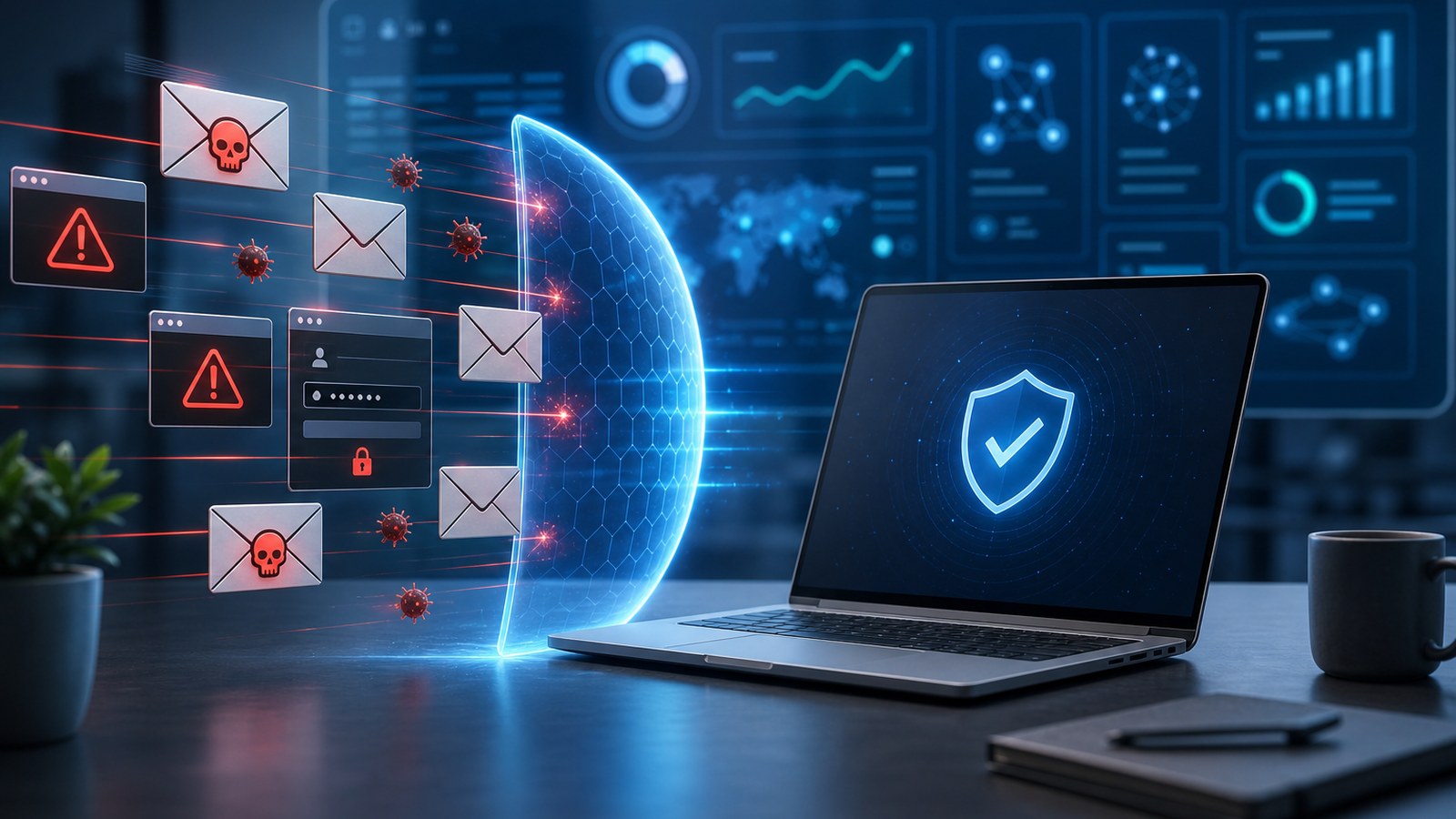
Bitdefender’s business pages emphasize anti-phishing and fraud prevention, including blocking known phishing sites and warning users before they share sensitive information. GravityZone also supports web and content-control capabilities in business packages and add-ons, depending on the selected edition.
This is important because a large share of business compromise starts with the browser, email, or a fake login page. Endpoint security cannot replace security awareness training or a good password manager, but it can create another layer that blocks malicious destinations before an employee hands over credentials. If your team also uses a password manager such as 1Password, the combination is stronger: the password manager reduces credential reuse and autofill risk, while endpoint/web protection helps block hostile pages and payloads.
Fileless attack and exploit protection
Bitdefender’s Small Business Security materials call out fileless attack protection, including protection against malicious PowerShell activity, memory injection, script-based attacks, and integration with Windows AMSI. For non-technical buyers, the simple explanation is this: some attacks try to avoid dropping a traditional malware file, instead abusing trusted tools and memory execution. Fileless protection is designed to watch for those techniques before they turn into a broader compromise.
GravityZone also highlights anti-exploit capabilities that protect common applications such as browsers, Microsoft Office, Adobe Reader, and system processes from exploit attempts. That matters because endpoints are often compromised through a chain of ordinary user actions: open a document, visit a page, run a script, and then the attacker tries to escalate.
Management and day-to-day workflow
The best security tool for a small business is not the one with the longest feature list; it is the one your team will actually deploy, monitor, and maintain. GravityZone’s centralized console is therefore one of its most important selling points. Bitdefender describes it as an integrated management console with a unified view of security components, endpoint activity, and policy management.
In daily use, the appeal is straightforward. Instead of wondering whether every employee laptop is protected, an admin can manage endpoints from one place. Instead of relying on users to notice local warnings, the business can track alerts centrally. Instead of manually configuring security settings on every machine, policies can be managed across groups.
For a lean IT owner, that centralization reduces the gap between “we bought security software” and “we can prove our endpoints are covered.” It also helps when onboarding new employees, replacing devices, reviewing incidents, or preparing for cyber insurance and client security questionnaires.
Pricing and packaging: what to verify before buying
Bitdefender’s business pricing depends on product edition, number of endpoints, subscription term, region, and add-ons. The GravityZone Small Business Security pages describe online purchasing based on endpoint count, with server coverage included up to a defined percentage of the environment, and the option to add extra licenses as needed. Business Security and higher tiers may also be sold through quote, partner, or region-specific checkout paths.
Because pricing and promotional offers change, the safest approach is to treat any published number as a snapshot and verify directly on Bitdefender’s current checkout or sales page. When comparing quotes, check:
- How many laptops, desktops, and servers are included.
- Whether file servers, Linux servers, macOS endpoints, and virtual machines are covered in your specific package.
- Which add-ons are included versus optional.
- Whether web access control, device control, risk management, patch management, email security, mobile security, or encryption cost extra.
- Whether you are buying a one-year, two-year, or three-year subscription.
- How renewal pricing and auto-renewal are handled.
This is not unique to Bitdefender. Business security products are often modular because different companies need different controls. But it does mean buyers should map features to requirements before clicking buy.
Pros and cons
| Pros | Cons |
|---|---|
| Strong ransomware, phishing, exploit, and web-attack positioning. | Can be more complex than consumer antivirus for very small teams. |
| Centralized console for endpoint visibility and policy management. | Exact pricing and add-on fit require verification against current endpoint count. |
| Designed for SMBs without requiring deep security staffing. | Advanced EDR/XDR needs may push larger teams toward higher GravityZone tiers. |
| Modular platform can grow with the business. | Like any endpoint product, it still needs backups, MFA, patching, and user training around it. |
How Bitdefender compares with simpler antivirus
The biggest difference is management. Simple antivirus can be acceptable for a single personal machine, but it becomes weak once you have multiple users, devices, and business data. You need to know which endpoints are protected, whether updates are applied, what was blocked, and which devices are creating risk.
GravityZone is a better fit when you want business-level visibility. It also brings more modern attack coverage, including ransomware mitigation, exploit protection, fileless attack defense, and optional controls around web access and device usage. For companies that have only relied on consumer antivirus, that is a real upgrade.
However, simpler antivirus still wins for absolute ease and low cost. If you have one or two low-risk machines and no client data, GravityZone may be more operational process than you want. For most businesses with employees and sensitive information, the extra management layer is worth considering.
Setup tips for small businesses
- Inventory endpoints first. Count laptops, desktops, servers, macOS devices, Windows devices, Linux servers, and virtual machines before comparing plans.
- Decide which add-ons matter. Web/device control, risk management, patch management, mobile security, email security, and encryption are valuable, but not every business needs all of them on day one.
- Pair endpoint security with MFA and a password manager. Endpoint protection blocks many threats, but stolen credentials remain a major risk.
- Maintain offline or immutable backups. Ransomware mitigation is not a substitute for a real backup strategy.
- Define alert ownership. Someone should review GravityZone alerts and policy status regularly, even if only weekly.
- Document device offboarding. When an employee leaves, remove or reassign the device and verify account access is closed.
Alternatives to consider
Bitdefender GravityZone is not the only credible SMB endpoint-security option. Businesses commonly compare it with tools such as Microsoft Defender for Business, Sophos Intercept X, ESET PROTECT, Malwarebytes for Business, CrowdStrike Falcon Go/Pro, and SentinelOne business packages. The right comparison depends on whether you prioritize Microsoft 365 integration, managed detection, endpoint performance, simplicity, price, or advanced EDR capabilities.
Bitdefender’s strongest argument is balanced SMB security: serious protection, centralized management, strong ransomware messaging, and a modular path upward. Microsoft may be attractive if your team is already deeply invested in Microsoft 365. CrowdStrike and SentinelOne are often considered when EDR/XDR maturity is the primary requirement. ESET and Sophos may appeal to buyers comparing long-standing endpoint vendors with broad SMB offerings.
Final verdict
Bitdefender GravityZone Business Security is a strong CyberTrendLab recommendation for small and midsize businesses that need to move beyond basic antivirus. Its value is not just in malware scanning; it is in centralized endpoint management, layered ransomware defense, phishing and web-attack protection, exploit and fileless attack coverage, and a platform that can scale with additional modules.
The main buying advice is to verify your exact package. Confirm endpoint counts, server coverage, operating system support, add-ons, subscription term, renewal terms, and whether you need a Small Business Security checkout path or a broader Business Security edition. If the package matches your environment, Bitdefender is a very credible endpoint-security choice for SMBs in 2026.
Review Bitdefender GravityZone options
FAQ
Is Bitdefender GravityZone good for small businesses?
Yes, it is built for business endpoint protection and has specific small-business positioning. It is especially useful when a company wants centralized security management, ransomware protection, and phishing/web defense without building a large internal security team.
Does Bitdefender GravityZone protect against ransomware?
Bitdefender’s business product pages emphasize ransomware prevention and mitigation, including detecting abnormal encryption attempts, blocking malicious processes, and restoring files from backup copies. Businesses should still maintain independent backup, MFA, patching, and recovery processes.
Is GravityZone only for Windows?
No. Bitdefender’s business materials discuss protecting laptops, desktops, file servers, physical machines, virtual machines, and supported operating systems. Exact OS and feature availability should be checked against Bitdefender’s current support documentation for your environment.
How much does Bitdefender GravityZone cost?
Pricing depends on product edition, endpoint count, term length, region, and add-ons. Verify the current price directly on Bitdefender’s checkout or sales page before buying, because promotions and plan details can change.
Do I still need backups if I use Bitdefender?
Yes. Endpoint protection is one layer of defense. Backups, MFA, patch management, least-privilege access, employee training, and incident-response planning remain essential for ransomware resilience.
Affiliate disclosure: this article may contain affiliate links. If you buy through these links, CyberTrendLab may earn a commission at no extra cost to you.